Make One Ordinary Paper Cup Worth a Pause: Planning a Wan 3.0 Everyday Short
Paper cups easily become supporting objects: at the desk corner while the camera follows a person, or in a hand while viewers notice a face. I want one at the center without gold, flight, or coffee exploding into a flower. Its ordinariness forces clear creativity. With Wan 3.0, I would first solve why it deserves watching before making it prettier.
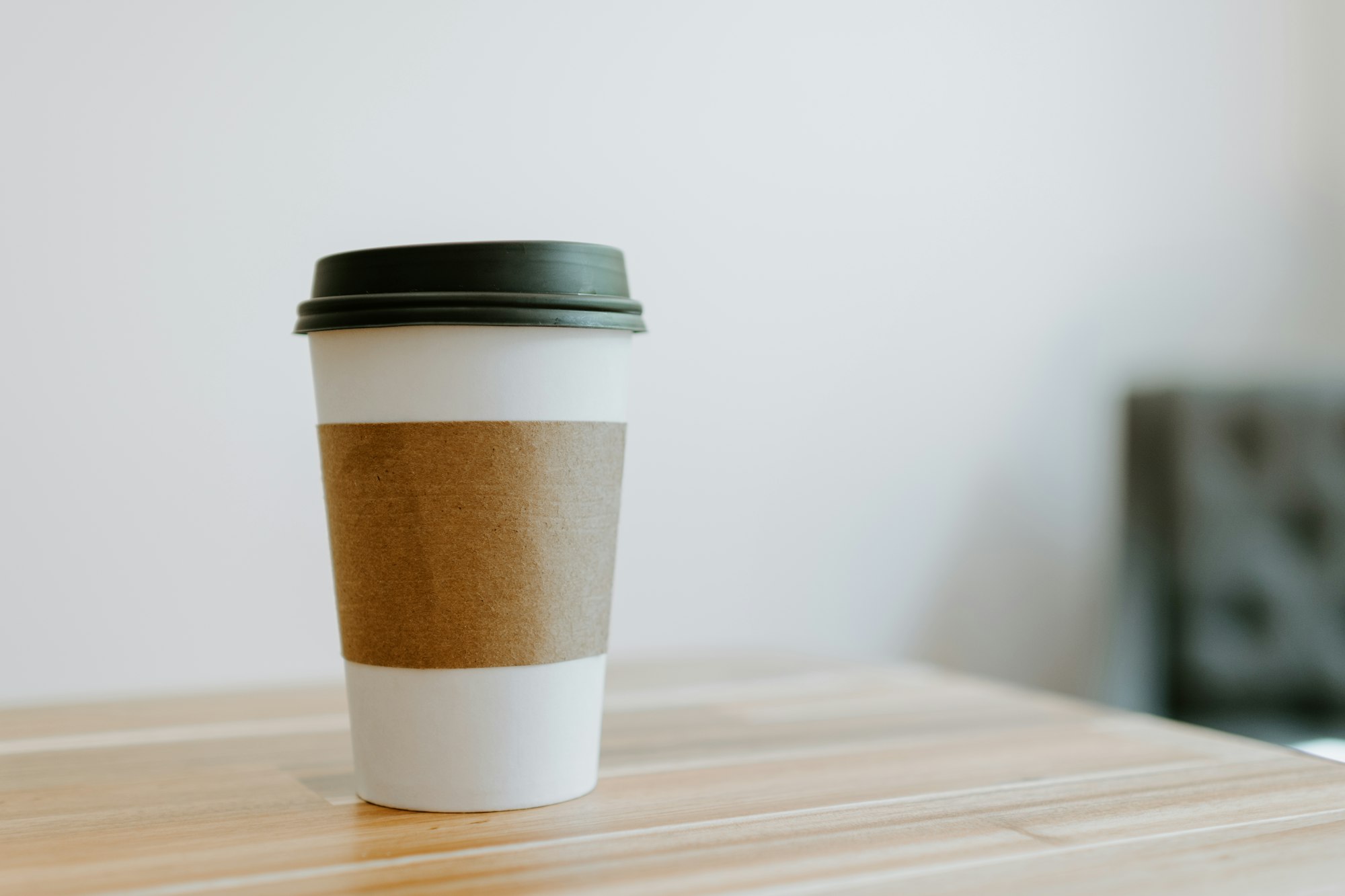
I imagine a rainy day rather than a product blockbuster. Someone sits, puts a cup down, and finally frees their hand. Rain remains outside and warm light touches the desk. The drink saves nobody’s life; it gives a traveler a pause. This small specific reason keeps the ordinary cup from being forced onto a stage.
For an advertisement, say it plainly: show that this drink fits everyday life. Do not combine morning, afternoon, night, travel, office, and dating in half a minute. One understandable moment can leave an impression.
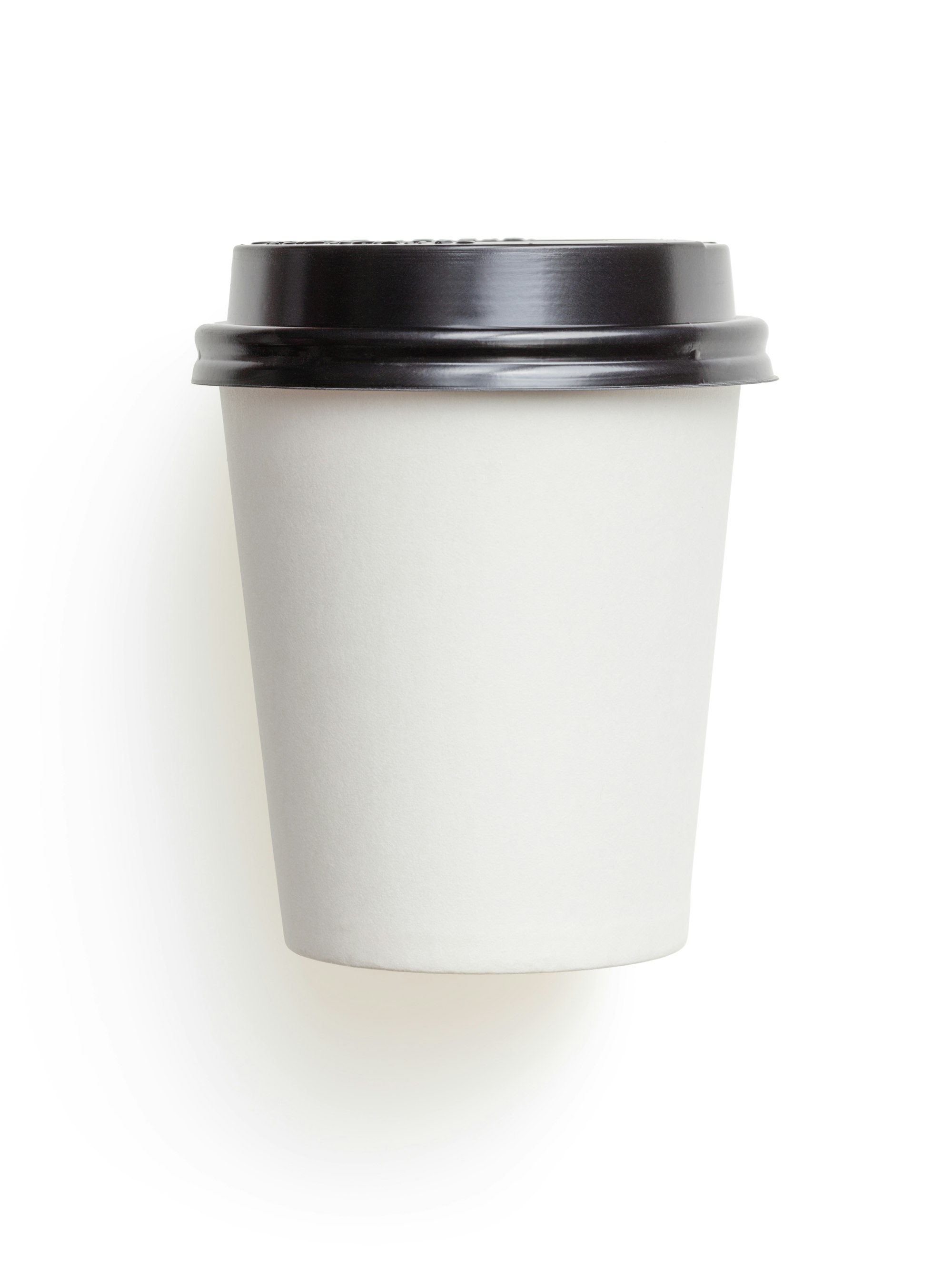
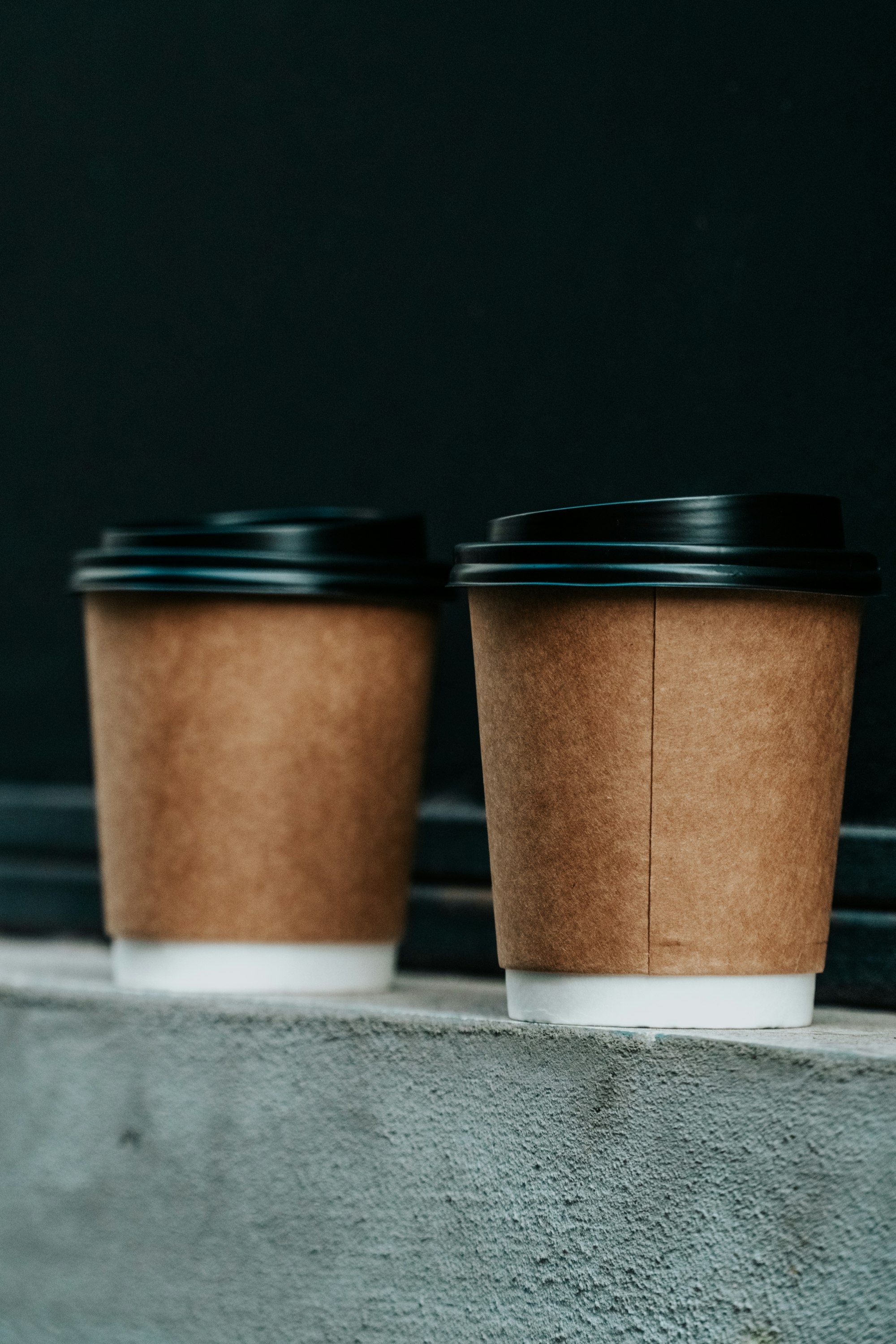
Organize cup color, lid, and sleeve first. Find a clear front photo and a side angle with little obstruction. Imagined pictures provide atmosphere; real photos establish appearance. Put brand name, body text, and actual selling points on a separate page and specify what must remain unchanged. Modest preparation gives revision evidence.
Add a note: the film should slow viewers down, not prove deliciousness. Do not describe unexperienced taste or add unconfirmed claims. Ordinary things can attract through a clear situation.
Orbiting the cup can look good but resemble a moving product photograph. I want a simple action: set down, gently straightened, then left quietly on the tabletop. Viewers see both its presence and reason for being there.
This contains many checks: plausible base contact, no sliding after release, sleeve position retained during rotation, and steam not hiding the body. Everyone knows cups, so ordinary subjects let bodily experience reveal errors without professional knowledge.
Wan 3.0’s references offer a starting point for explaining appearance and setting and trying to maintain them across action. They do not guarantee every structure, so I focus separately on setting the cup down rather than six or seven complex actions.
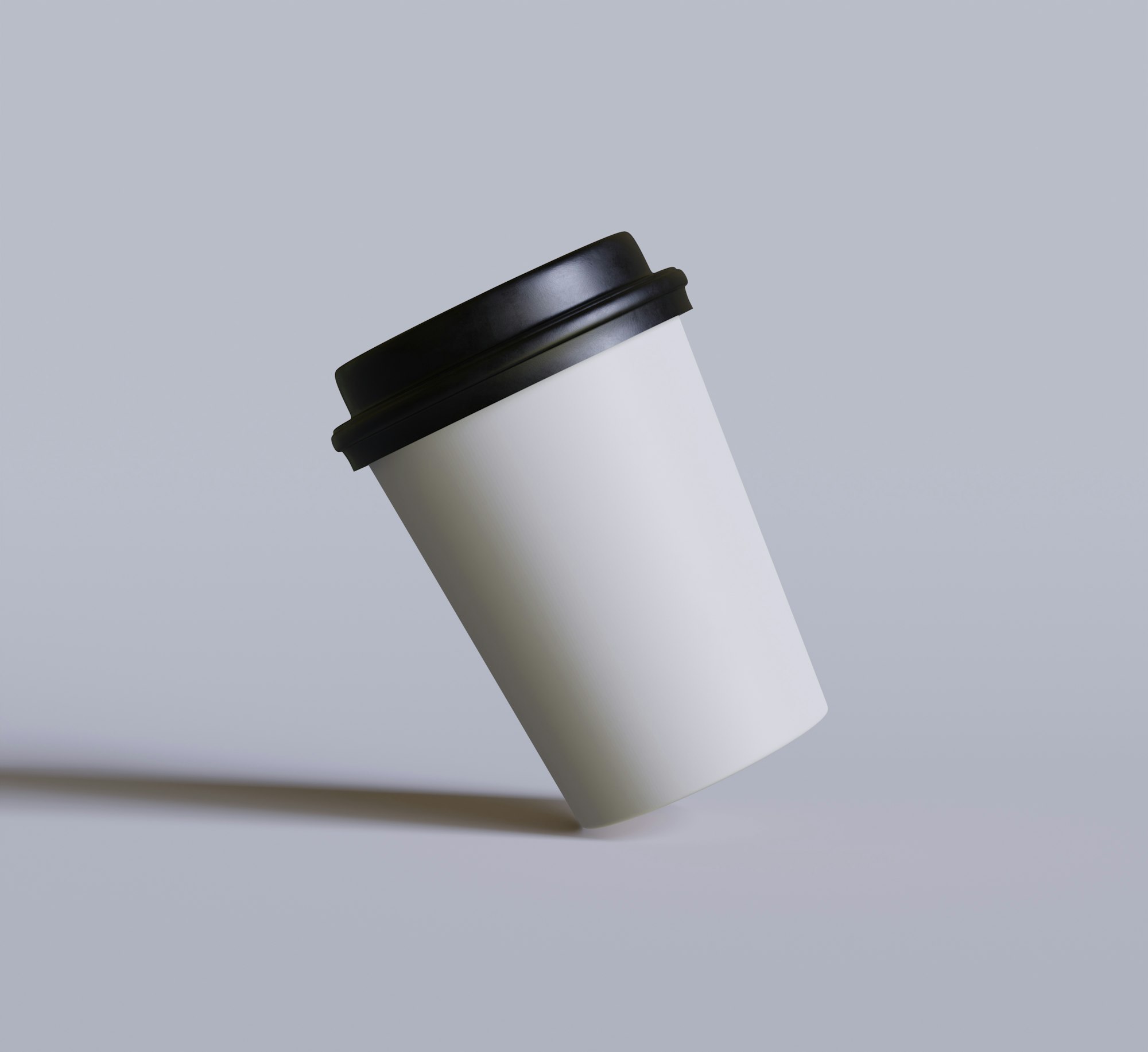
A few sentences for the production note
I would keep three beats rather than fixed second allocations: establish rain, show sitting and a stable cup placement, then hold attention on cup and warm light. With longer supported tasks, leave enough space for a pause. Wan 3.0’s up-to-30-second capability encourages this breathing without requiring the maximum.
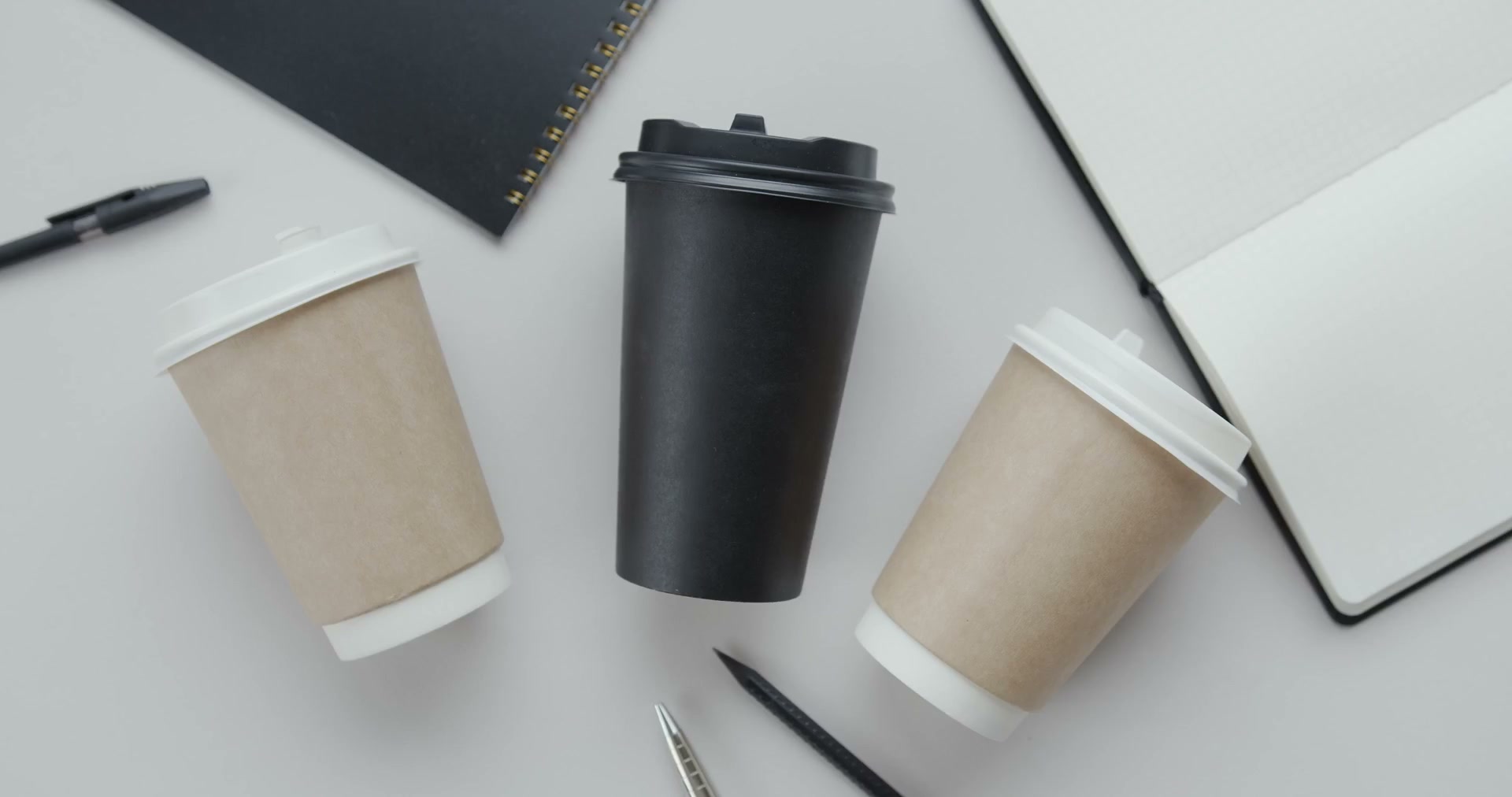
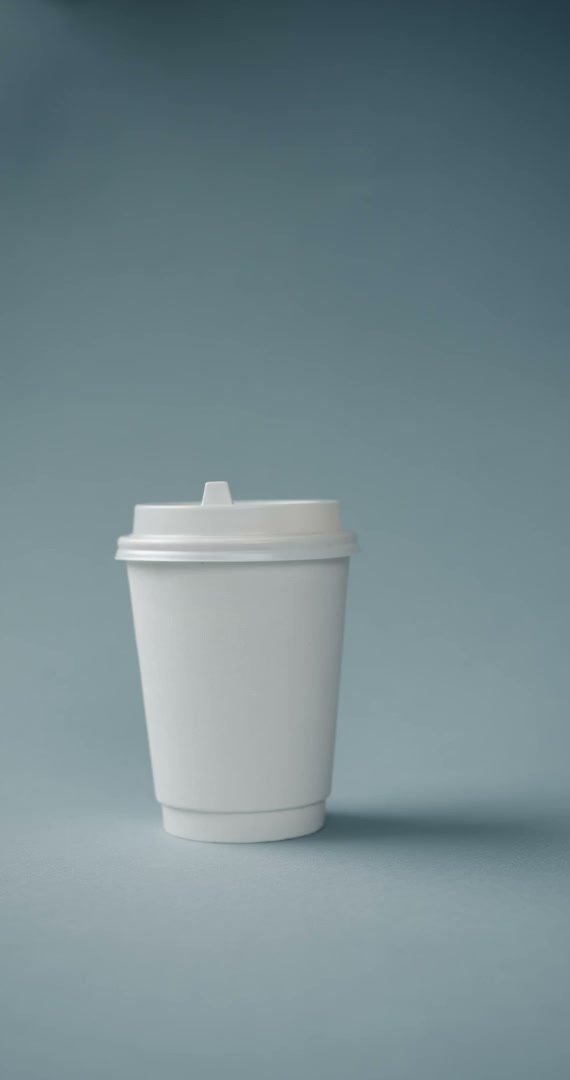
Keep an alternative ending: if hands stay unnatural, begin with the cup already on the table and let the person sit into frame; if rain is cluttered, use soft overcast weather. The core is sit down and rest, which need not depend on difficult action. Reduce irrelevant difficulty to protect the important point.
I would start from Wan’s everyday-scene workspace with a simple version. The homepage offers a free entry to inspect allowance and task specifications before trying one action, instead of funding a full plan before choosing the moment to express.
Adapt this direction:
Use the reference ordinary paper cup and retain body and lid shape. At a naturally lit café table, a hand slowly sets the cup securely down, then exits to the right. Gently approach, keep rain outside softly blurred, show the complete cup clearly, and end with a quiet pause.
For easier checking, leave complex body text out of the first version. Add confirmed branding artwork in editing where needed, letting accuracy and appearance receive separate attention.
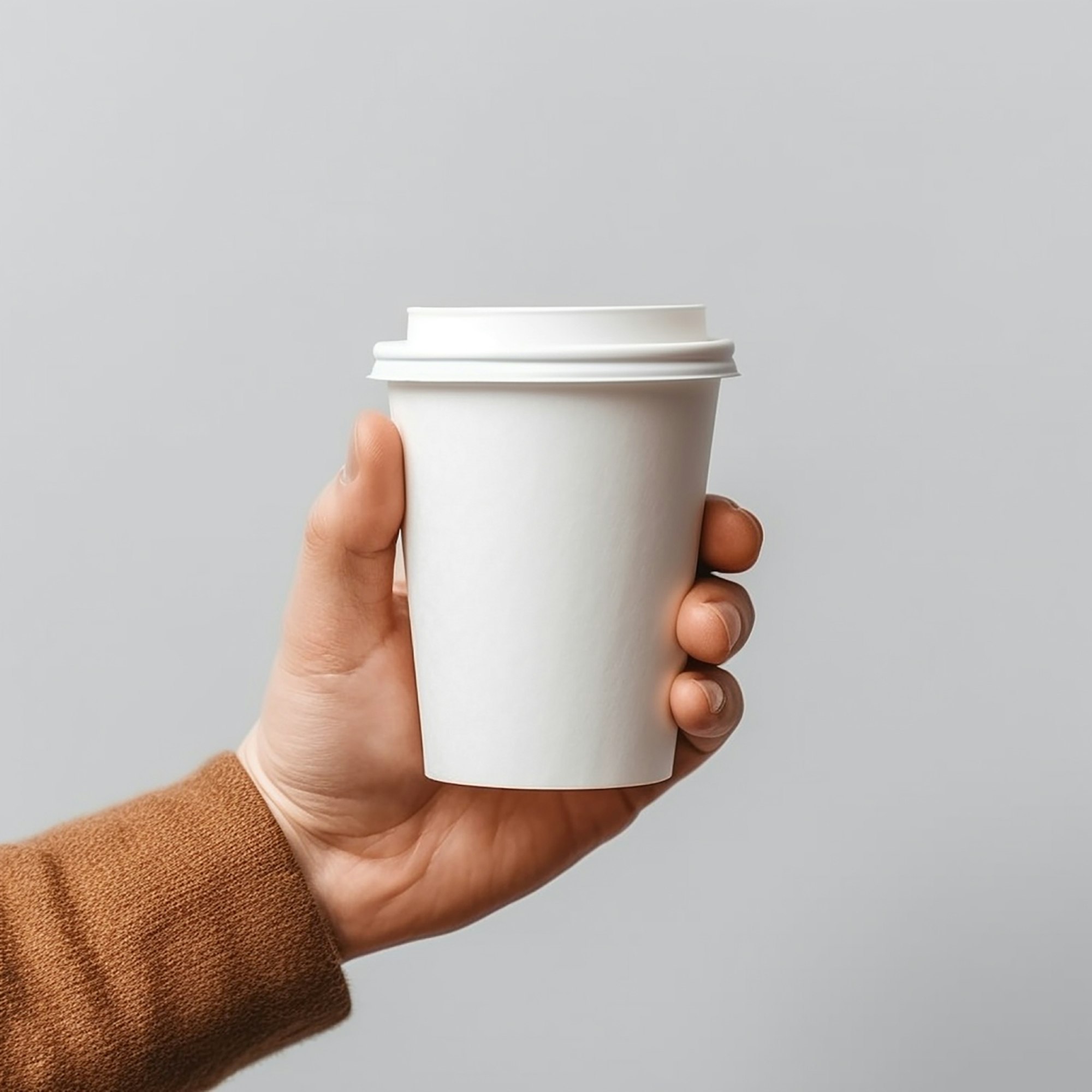
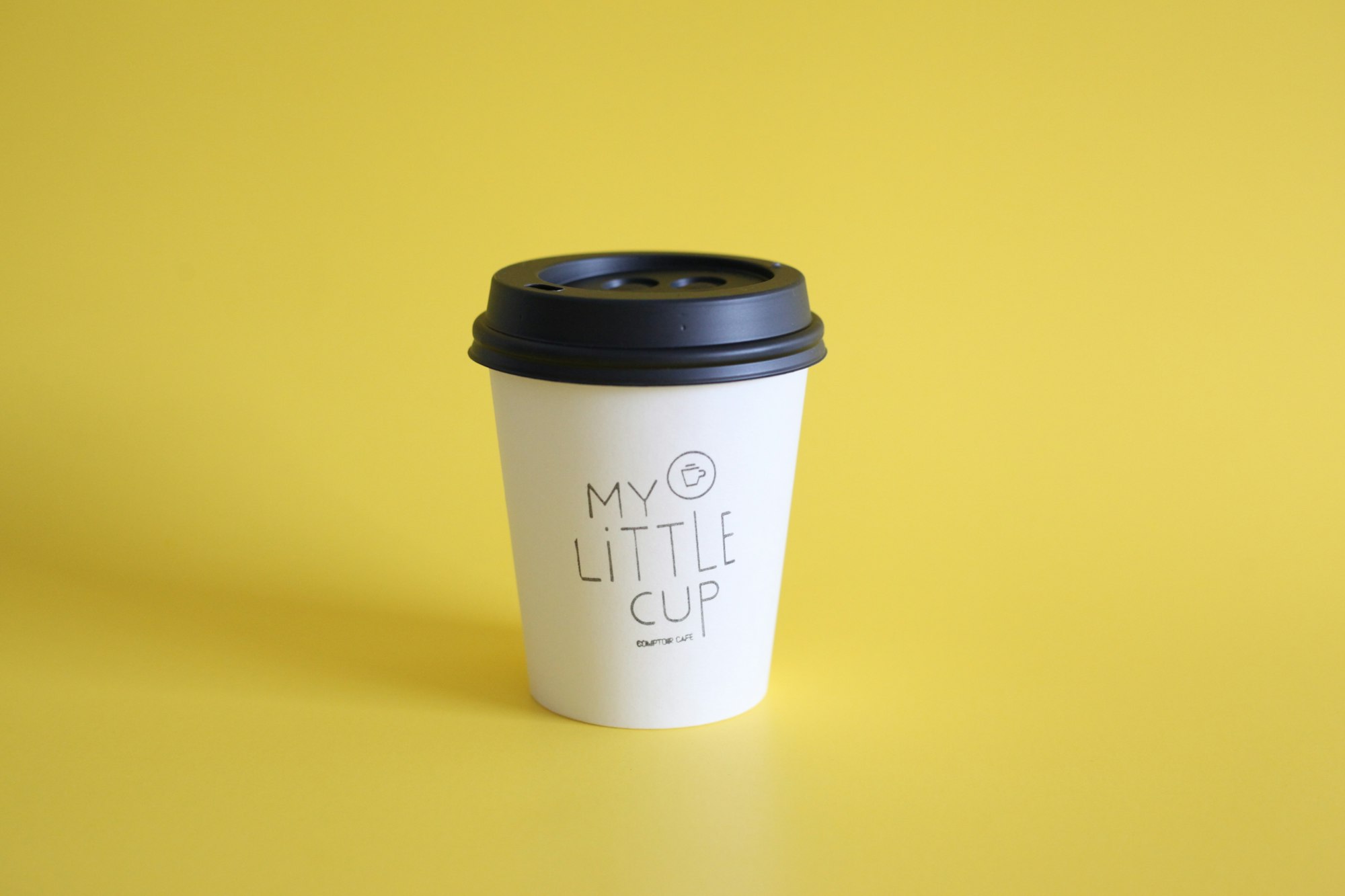
The pause is what I want to retain
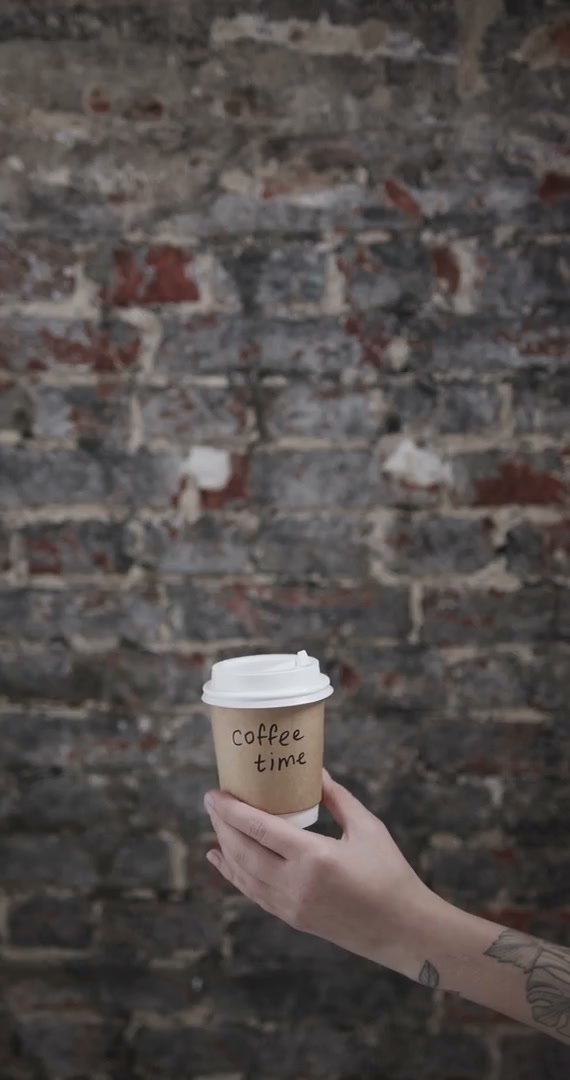
These shorts lose control when nothing can be cut: a nice window gains sunset, a nice cup gains splashing, and atmosphere gains quick cuts. Everything competes, leaving the ordinary cup in the background again.
Set a plain limit: viewers should remember cup shape and explain what the person just did. Other beauty is optional. More effects mean little if the cup is unclear; if removing captions still conveys movement from rushing to resting, the idea has a foundation.
An accessible exercise is more interesting than envying distant large productions. Replace the cup with a glass bottle, fabric bag, or book; connect object and human action. To try, use Wan’s free everyday-shot trial, confirm supported tasks, and begin with a clear real-object image and one explicit action.
I do not expect a paper cup to become luxurious. If it seems really there, viewing feels effortless, and an ordinary comfortable moment becomes visible, it is already worth developing.


Comments
Post a Comment