Give a Blue Bottle Three Clear Seconds: Studying Light and Texture with Seedance 2.5
VISUAL STUDY / LIGHT EDGES AND A QUIET END
Give a Blue Bottle Three Clear Seconds: Studying Light and Texture with Seedance 2.5
Translate premium into observable edges of light, subject size, color, and an ending instead of a string of atmosphere words.
I enjoy close views of glass products, but do not want to explain the appeal solely as premium. A blue bottle on a stone table can be affected by its bright edges, transmitted light, background, and hold time. Without explaining what I observe, the next prompt returns to a long string of cinematic, commercial blockbuster, and luxurious texture.
This visual exercise uses an unbranded blue glass bottle. The pictures are newly created AI concept illustrations, and the videos are filmed references for light and movement. They are not Seedance 2.5 review screenshots or proof of a real product’s material or effects.
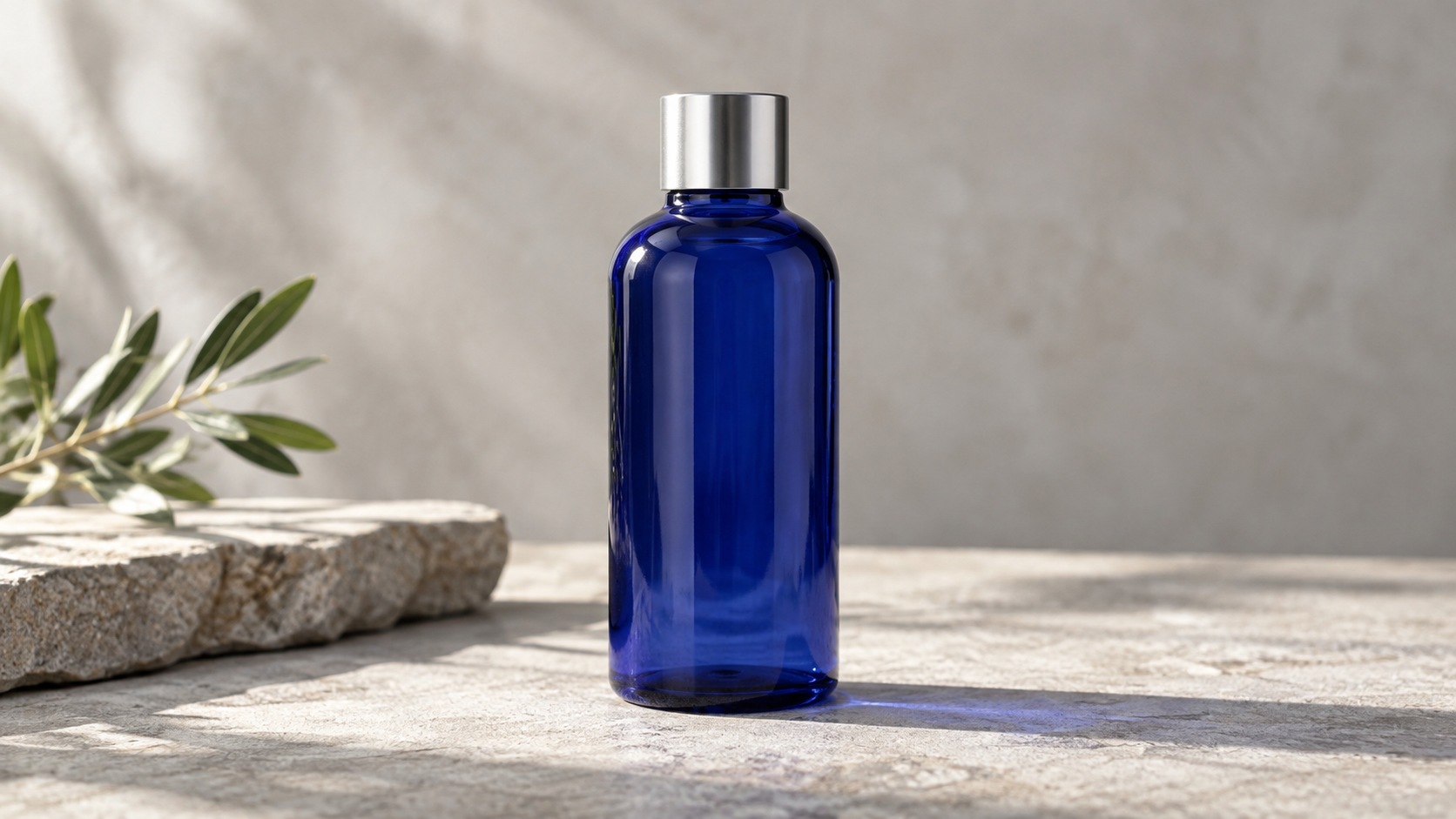
Pause at the first impression and check whether the outline is recognizable
I first shrink the image to resemble a phone-feed view. Does the bottle separate from its background? Do mouth, shoulder, and base have a clear relationship? Is the blue still recognizable? If not, admiring tiny reflections at larger magnification may do little for the opening.
The exercise bottle sits in either a softly lit bathroom or on a clean stone table. Both can work, but I would choose one first. A bathroom explains use context, while a stone table keeps attention on material. Choose according to the film’s message rather than whichever setting sounds more expensive.
I would leave a small clean area for text added in editing while keeping the bottle large enough. Before adding towels, mirrors, branches, and droplets, ask what each object contributes. One environmental detail can be enough; too much decoration turns the bottle into another background ornament.
Think about landscape and portrait formats early. A blue bottle placed left in a landscape frame can leave text room on the right; a direct portrait crop may leave half a bottle. Try the target ratio on the static first frame and check that mouth and base remain intact. Composition determines recognition; higher resolution later cannot solve everything.
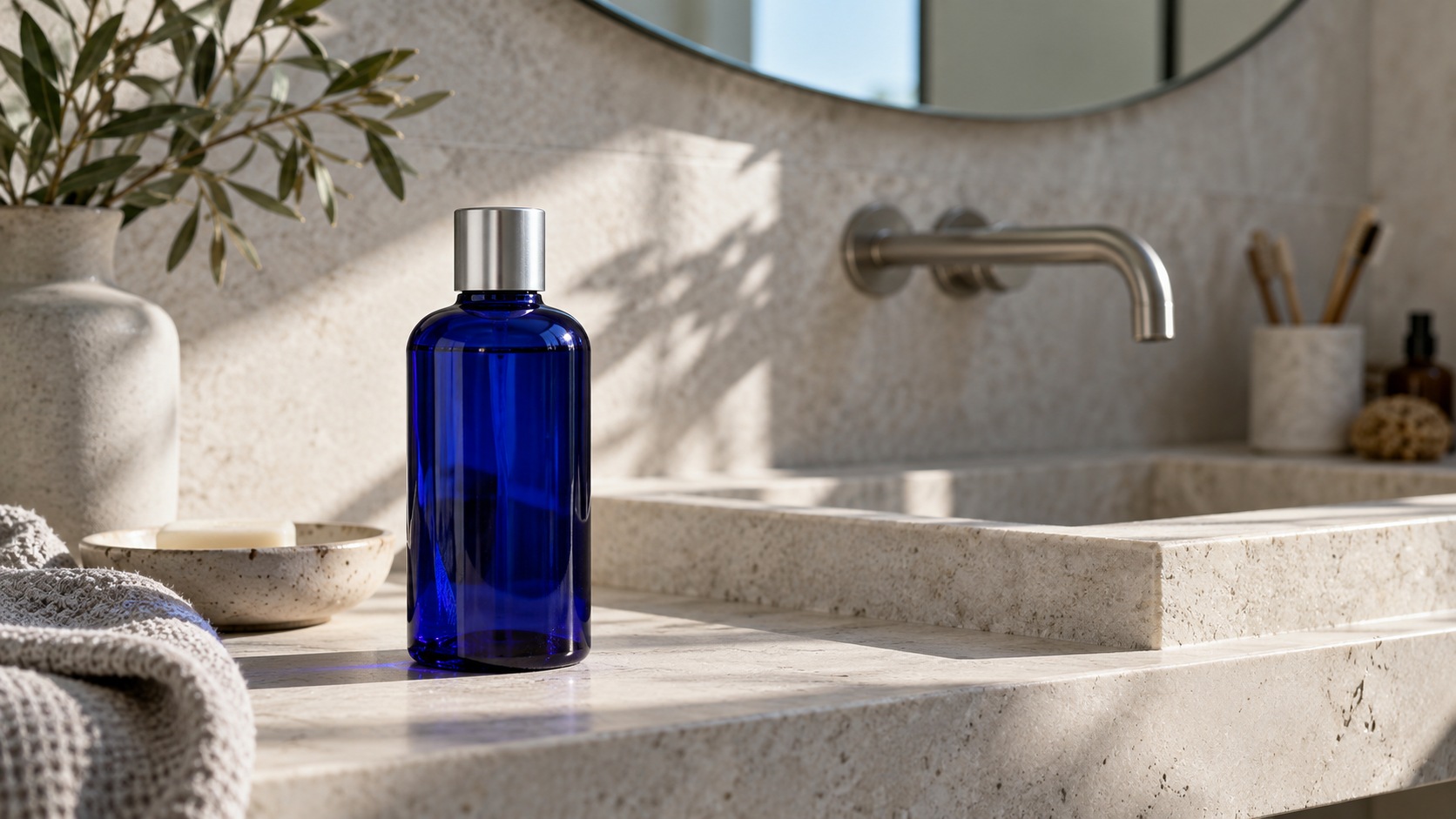
Seedance 2.5 can explore scenes from text or start motion from an image. For this exercise, image-based work has a concrete benefit: establish bottle size, camera position, and empty space in a still image, then describe limited motion, so composition and rhythm need not be judged at the same time.
It offers a free trial. I would start by trying a glass close-up in Seedance’s image workspace, checking account allowance and the selected mode’s quotation before submission. A free experience offers a starting opportunity; the account and configuration still determine how many tasks it covers.
Give the bright edge a position; do not light the whole bottle white
With filmed references, I pause at beginning, middle, and end to observe where bright edges travel. Do they hold on the shoulder or cross the body? Does blue remain visible or become covered in glare? These judgments are easier to turn into the next description than make the light prettier.
My first round would use soft side light, a stationary bottle, and a dimmer background to make its edges visible. Frosted, transparent, and dark glass do not all need the same lighting. If the real product is not transparent, do not describe it as clear and light-transmitting just for appearance.
I also watch changes in the background through the bottle. A glass image can show refraction, but a concept sample does not undertake precise simulation measurements. I mainly check whether background lines suddenly break, bottle boundaries remain continuous, and visual changes overwhelm the product.

With my own product photograph, I would choose normal exposure, a clear mouth, and reflections that do not cover the front. A large white highlight already in the photograph makes blue difficult to judge later. The first frame need not be polished into a major advertisement; it must clearly provide the information to retain.
My observation notes have four lines: subject size, bright-edge position, color recognition, and background distraction. Record a confirmable fact on each line, such as shoulder highlight too wide, rather than still lacks texture. Locating the issue keeps the next revision focused.
Frame observation need not split an entire clip into hundreds of pictures. Pause at three points, check boundaries and color, then play at normal speed. If a problem appears only in one magnified still and does not affect normal understanding, continue evaluating. If each approach clearly changes the mouth, prioritize it. Observation should serve final viewing rather than trap us in endless checks.
Blue is the subject, so background colors must give it some room
A blue bottle and warm stone table can create a temperature contrast; a cooler bathroom wall can make the whole picture more unified. Neither direction automatically means professional. Ask whether the content should feel approachable, quiet, or fresh before choosing the background.
If blue in the illustration is conceptual, I would say so. For a real product, compare original pictures and physical-product information. One filter across all shots does not necessarily preserve product color. A unified picture may look attractive, but changing the bottle’s color requires reconsideration.
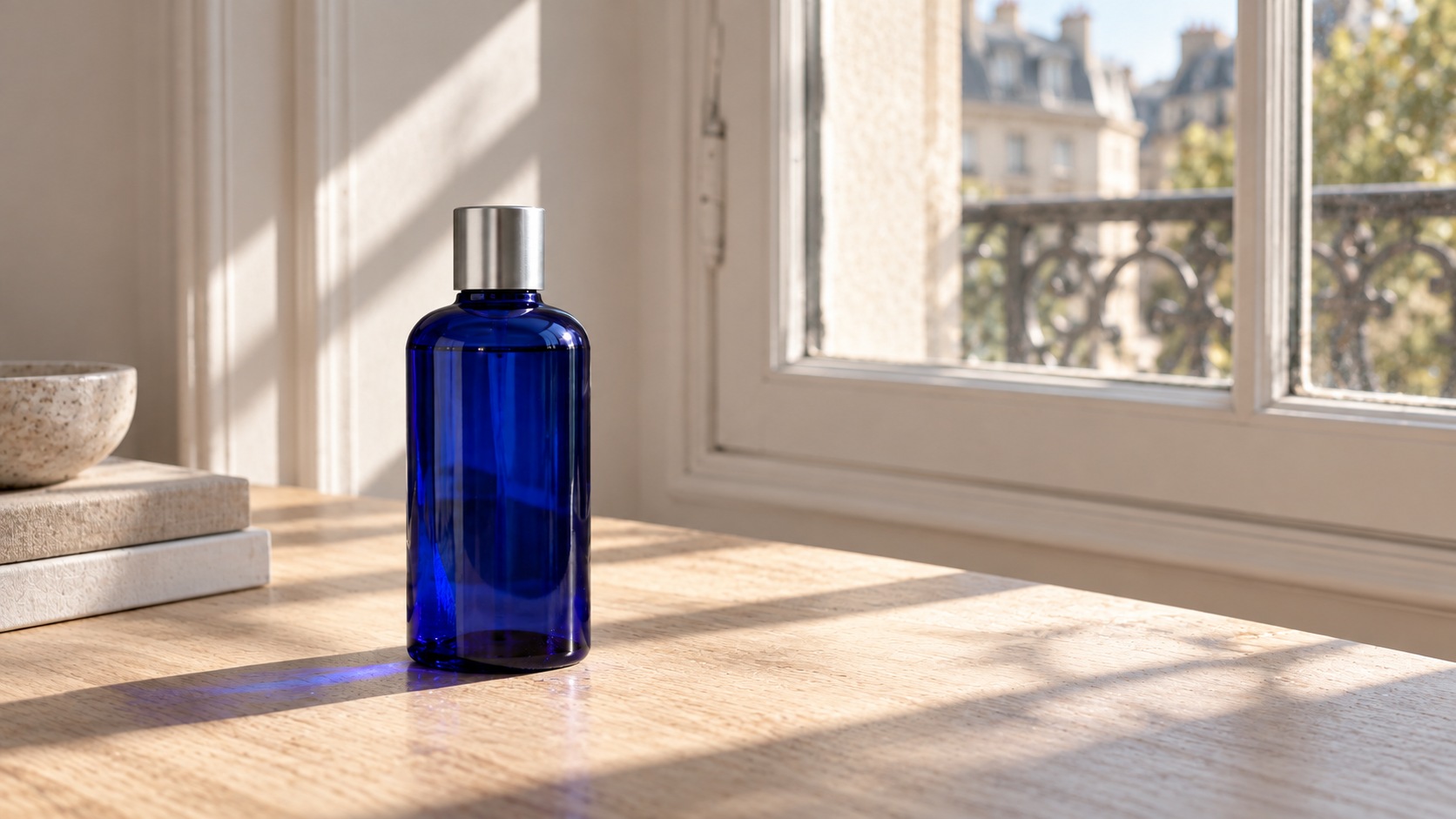
Editing offers a small check too: put adjacent shots together and see whether background whites shift yellow and blue or the stone table suddenly changes tone. Correct grading problems in editing first; judge footage again if the product itself changes clearly. A discontinuity does not immediately require remaking every video.
The filmed reference below helps observe reflections against the background. I would watch it without sound first, then turn sound on. Music can make an ordinary shot feel complete; muting may reveal that the subject never becomes clear. This separates aesthetic feeling from the picture’s information.
A moving camera still needs to know when to stop
This blue bottle does not need a full rotation immediately. A slow approach gives some spatial change and makes the outline easy to check. A large orbit needs more unseen side information; with only a frontal first frame, limit the position until references are sufficient.
I would describe two action states: a slow approach followed by a stable hold. The hold is not wasted time; it lets viewers see the mouth and recognize color and gives subtitles a landing point. A camera moving through the end often forces editing to find another stopping point.
A glass close-up description focused on boundaries
Preserve the first frame’s blue glass bottle mouth, shoulder, and base proportions.
Keep the bottle stationary on a pale stone table with a simple background and soft side light outlining its edges.
Slowly approach from a slightly lower camera position, keep blue recognizable, and prevent excessive reflections from covering the body.
Add no labels, liquid, caps, or decoration, and do not change scenes.
Slow movement in the latter part, end with a stable hold, and leave room for text added in editing.
The current Draft Mode lists 4–15 seconds, 720P, and native audio. It suits an initial look at this short-action direction. I would check camera position and a hold in Seedance Draft Mode, following actual options and quotation rather than treating other modes’ long durations or high output specifications as draft settings.
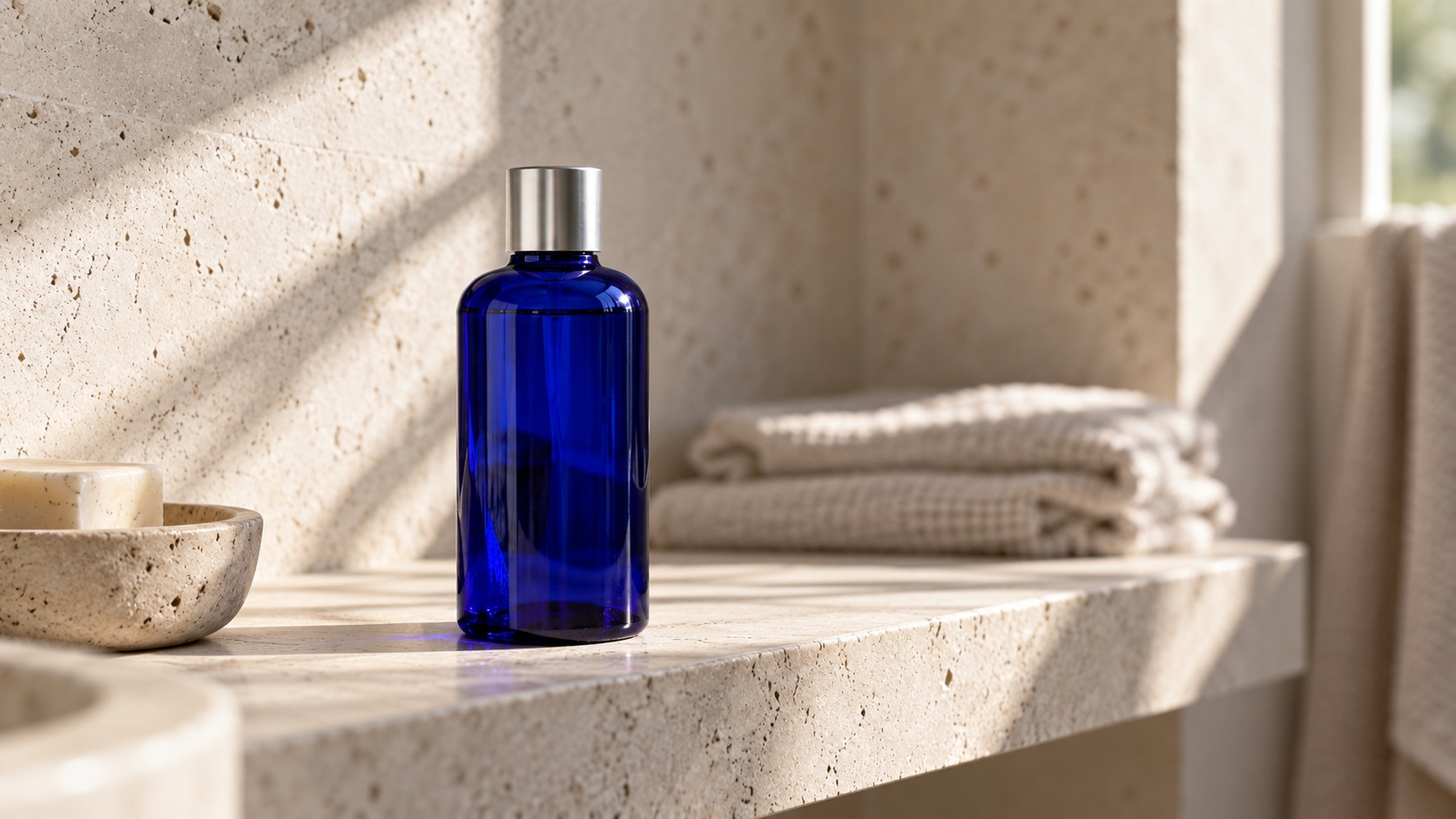
If the selected mode supports start and end frames, beginning and ending compositions can express the landing point. Product size, light, and position need to connect between them. A frontal close-up and a completely different room should not be expected to create an automatically plausible middle. References set direction; the transition still needs a preview.
I would use only slight ambient sound in the audiovisual sample. Glass does not need a crisp effect for every reflection; dense sound changes the rhythm. Leave brand music and captions to editing. Product name, capacity, and ingredients must come from accurate information, without asking the model to invent plausible packaging text.
For the first experience, concentrate allowance on one explainable change, such as approach speed. Retain bright edges, bottle position, and background to judge whether the version better suits narration or captions. For many styles, screen static sketches first, then bring the most justified choice into motion and leave room for adjustments.
Take a reusable observation sheet away from the references
I would not merely collect attractive films. Give each reference a one-sentence purpose: bright edges, starting distance, or final hold length. The method can transfer to ceramic, metal, and fabric while the checked details change with material.
For this filmed reference, I focus on the ending. Does the camera settle, does the product have enough presence, and what nearby changes distract? Writing these questions leaves evidence to revisit during the next generation.
The filmed transparent bottle mouth below concentrates attention on rim, liquid, and highlights. I use it to observe how much picture space a tiny action needs and which moments contain information as liquid enters and stops. It differs from the exercise’s blue bottle; I borrow the viewing method rather than product shape.
After results arrive, select useful intervals in history previews, download them, and save references, prompts, and settings. Keep final footage in one folder and candidates and problems in another to find effective directions next time. Every generation need not be used whole; stable seconds can enter editing.
What I like about Seedance 2.5 is moving this aesthetic observation from collection to a sample: decide what the picture should retain, then verify through limited action. The free trial makes starting lighter, and the web workflow helps bring results into editing. For this blue bottle, a clear description and recognizable shot are closer to the desired texture than ten premium adjectives.


Comments
Post a Comment